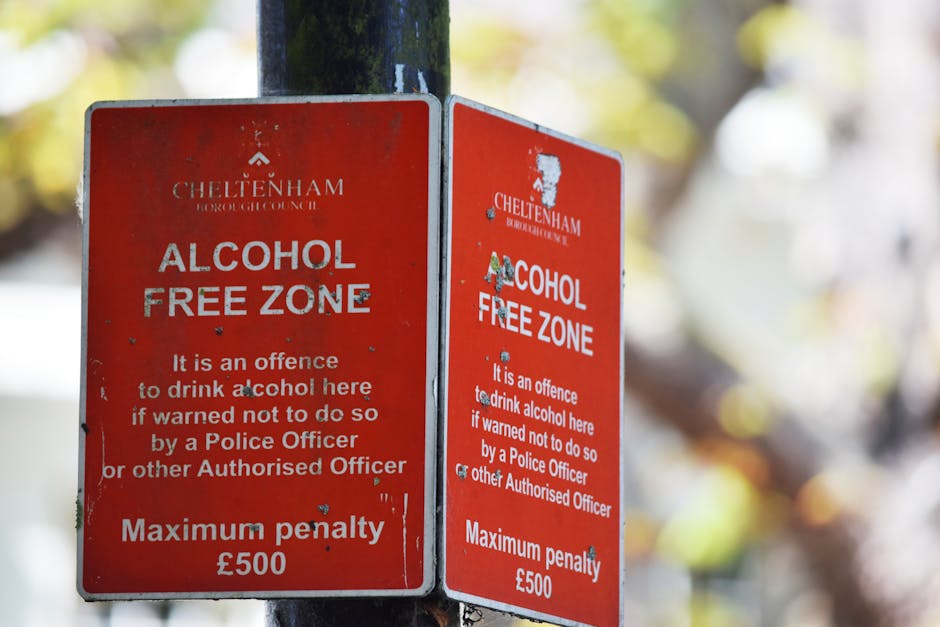
Avoid Council Fines: Waste Disposal Rules in Lee Explained
Posted on 06/07/2026
If you are planning a move, clearing out a flat, or simply trying to get rid of bulky household waste in Lee, the rules can feel a bit fiddly at first. And that is exactly where people get caught out. One wrong bag on the pavement, one mattress left too early, or one skipped check on what counts as fly-tipping, and suddenly a council fine is no longer a distant possibility. This guide on Avoid Council Fines: Waste Disposal Rules in Lee Explained breaks everything down in plain English so you can dispose of waste properly, stay on the right side of local expectations, and avoid those awkward last-minute mistakes.
Truth be told, most people do not mean to break the rules. They are just rushing, tired, and staring at a room full of stuff at 8pm with nowhere to put it. Let's fix that.
Why Avoid Council Fines: Waste Disposal Rules in Lee Explained Matters
Waste disposal is one of those everyday jobs that seems simple until it is not. In Lee, as in the wider Lewisham area, the basic expectation is straightforward: household waste should be sorted, stored, presented, and removed in a way that does not create mess, obstruction, smell, or risk for neighbours and passers-by. If waste is put out incorrectly, left outside at the wrong time, or dumped where it should not be, it can lead to complaints, enforcement action, or a fine.
That matters for three reasons. First, the financial side: nobody wants a preventable penalty. Second, the practical side: rubbish left out badly can attract vermin, block pavements, and make a street feel neglected very quickly. Third, the neighbourly side: Lee has a lot of shared spaces, narrow frontages, communal areas, and busy residential streets. A sloppy disposal habit is not just your problem, it becomes everyone's problem.
There is also a moving-day issue here. People often focus on boxes and vans, then forget about what happens to the old broken chair, cracked shelf, leftover packaging, or stained carpet. If you are arranging decluttering before a move, waste planning should be part of that process, not an afterthought. That simple shift alone can save a lot of hassle.
One small but important point: not every item that feels like rubbish is treated the same way. General household waste, recycling, bulky items, electricals, food waste, and hazardous materials all need different handling. Mix them up and you can create a problem very quickly. A bit boring? Maybe. But boring is good when the alternative is a council warning or fine.
How Avoid Council Fines: Waste Disposal Rules in Lee Explained Works
The easiest way to understand the rules is to think in layers. First, there is what you are throwing away. Second, there is how it should be sorted. Third, there is where and when it should be placed. Miss any one of those layers and your disposal can drift into non-compliance.
In practical terms, the process usually looks like this:
- Identify the waste type. Is it general rubbish, recycling, garden waste, bulky furniture, an appliance, or something hazardous?
- Separate reusable items. If something can be donated, repaired, or passed on, do that before treating it as waste.
- Check collection rules. Different waste streams may need different bins, sacks, arrangements, or collection methods.
- Present waste properly. Do not block pathways, overfill bins, or leave loose items in a way that can blow away.
- Use approved disposal channels for larger items. Bulky waste, electricals, and renovation debris often need a special arrangement.
For many residents, the most confusing part is the timing. Waste left out too early can be treated as an issue even if it is technically "for collection." And waste left out too late may miss collection entirely, leading to another round of storage and frustration. If you have ever stood by the window at dusk wondering whether the bag should have gone out sooner, you will know the feeling.
It helps to stay organised around the move itself. Good packing habits, careful labelling, and a clear decluttering plan make disposal far easier. If you want to tidy up the process at the start, the advice in best packing techniques for a smooth move can reduce the amount of mixed waste you create. Less random stuffing, less breakage, less last-minute bin stress.
And if you are leaving a property behind, the clean-up side matters too. A good final sweep helps you spot waste, forgotten items, and anything that should not be left in communal areas. You may find this guide to leaving your old home clean useful when you are at that stage. It sounds simple, but the final 20 minutes can make a huge difference.
Key Benefits and Practical Advantages
Following proper waste disposal rules is not just about avoiding a fine. There are some very real everyday benefits too.
- Less stress: you are not second-guessing whether a pile of rubbish is going to cause trouble.
- Cleaner streets and shared spaces: neighbours are less likely to complain, and the area feels calmer.
- Better sorting habits: once you know what goes where, future clear-outs become much easier.
- Safer handling: fewer awkward lifts, fewer broken bags, fewer sharp edges left lying around.
- Better move-day flow: waste does not end up competing with boxes, furniture, and parking logistics.
There is also a strong efficiency angle here. If you are arranging removals in Lee, waste management and removal logistics should work together. That is especially true for larger household moves, flat clearances, or office clear-outs where time is tight and the building layout is less forgiving. In those moments, the difference between a smooth exit and a chaotic one is often just good preparation.
And let's face it, nobody enjoys a staircase cluttered with old packaging, torn tape, and a wonky lamp shade. One person's "I'll deal with it later" is another person's obstacle course.
If you are trying to simplify the move overall, it can help to read about the secret to a smooth and stress-free move. Waste is only one part of the puzzle, but it is a part people underestimate all the time.
Who This Is For and When It Makes Sense
This topic matters to more people than you might think. If any of the situations below sound familiar, you should pay close attention to waste rules in Lee.
- Home movers: especially when clearing sheds, lofts, garages, or spare rooms.
- Students: end-of-term clear-outs can create a surprising amount of waste very quickly.
- Flat residents: communal bins, limited storage, and shared entrances make correct disposal even more important.
- Landlords and tenants: end-of-tenancy waste, furniture, and abandoned items can become a sore point.
- Office managers: desks, filing cabinets, packaging, and electrical items need proper handling.
- Anyone clearing bulky items: sofas, beds, mattresses, appliances, and heavy clutter all need a plan.
If you live in a busy part of Lee or along a road where space is tight, the risks go up. A small pile can look bigger when it is outside a front garden or by a shared pavement. Also, neighbours notice. They always do. Usually on the day you were hoping nobody would.
For students, the pressure is different but just as real. End-of-term rushes can tempt people to dump usable items or oversize rubbish near bins. That is exactly when fines or complaints can follow. If you want a practical perspective on the moving side, student removals in Lee can be helpful when you are trying to clear a room without creating a waste headache.
For larger properties, especially when several bulky items are involved, professional help can be a much calmer route. A service like furniture removals in Lee can remove items that would otherwise sit around in the hallway for days, waiting for someone to "sort it later."
Step-by-Step Guidance
Here is a practical way to approach waste disposal before, during, or after a move in Lee.
- Walk the property room by room. Do not start with the biggest room just because it feels dramatic. Start with one manageable area.
- Sort everything into clear categories. Keep it simple: keep, donate, recycle, dispose, and unsure.
- Deal with the "unsure" pile last. This is where half the trouble sits. If you do not know what an item is, pause and check before dumping it.
- Break down items where safe to do so. Flatten cardboard, dismantle furniture if appropriate, and bundle materials neatly.
- Keep hazardous items separate. Paint, chemicals, batteries, and similar items should not be mixed with normal rubbish.
- Plan removal timing. Schedule bulky waste or pickup arrangements so nothing is left out too early.
- Do a final sweep. Look in cupboards, behind doors, under sinks, and in outdoor storage. That is where the forgotten stuff likes to hide.
A useful habit is to label disposal bags and boxes by category. That sounds over-the-top until you are three hours into a move and no one can remember where the mixed recycling went. Then suddenly it feels genius.
If the disposal involves heavy lifting, think carefully about the method. Some items are awkward rather than truly heavy, which is often worse. Understanding the mechanics can prevent injuries and damage. You may find an explanation of kinetic lifting useful for that kind of planning.
And if the job involves one person or a very small team, a practical look at independent lifting techniques can help you judge what is realistic and what really should be left to experienced movers.
Expert Tips for Better Results
Small decisions usually make the biggest difference. Here are the habits that keep disposal smoother and safer.
- Start earlier than you think: waste always multiplies near the end of a move.
- Use sturdy bags and boxes: broken rubbish bags are messy, and in shared areas, messy becomes everybody's problem.
- Do not overload bins: overfilled bins are awkward, unstable, and often not accepted as presented.
- Keep food waste away from packing waste: this sounds obvious until a bag of old packaging gets damp and unpleasant.
- Protect hallways and entrances: if items are being moved through common areas, keep the route clear and dry.
- Reuse before you dispose: a box, shelf, or chair may still have life left in it.
There is one more tip that is unglamorous but genuinely useful: keep a "disposal corner" in the property while you are packing. Put all waste-bound items there, and keep them away from the keep pile. It reduces accidental mix-ups. It also stops that weird situation where one good mug ends up inside a broken lamp box, which happens more often than people admit.
If you are moving larger soft furnishings, it can help to think about their condition before they become waste. Sometimes storage is a better short-term solution than disposal. If that applies, see how to keep a sofa safe in long-term storage for practical guidance.
For bedding items, there is a similar logic. Before you decide something is destined for the skip or bin, check whether it can be cleaned, stored, or reused. A useful reference is moving your bed and mattress with ease. It is not a waste guide as such, but it does help you make smarter decisions about what really needs disposing of.
![A row of nine large wheeled wheelie bins lined up along a pavement adjacent to a brick wall in an outdoor setting. The bins are made of durable plastic and each has a hinged lid, with colors including green, blue, red, and black, indicating different waste categories. The green bin in the foreground is partially open, revealing an empty interior. Behind it, the blue and red bins are closed, and the remaining bins in the row are also closed, with their lids securely in place. The bins are positioned closely together, suggesting they are placed for regular waste disposal or recycling collection. The environment appears well maintained, with natural daylight illuminating the scene, capturing a typical outdoor waste collection area that would be encountered during house relocations or waste disposal in Lee. The presence of [COMPANY_NAME] and the reference to house removals or packing processes is relevant for understanding waste management rules during moving services.](/pub/blogphoto/avoid-council-fines-waste-disposal-rules-in-lee-explained2.jpg)
Common Mistakes to Avoid
Most council fine problems come from ordinary, boring mistakes rather than dramatic offences. That is the annoying part. Here are the ones worth watching.
- Leaving items out too early and assuming it is fine because collection day is "soon."
- Mixing waste types instead of separating recycling, general waste, and special items.
- Dumping bulky items near communal bins with the hope someone else will deal with them.
- Ignoring overhang and obstruction issues on pavements, entrances, or shared spaces.
- Forgetting hidden waste in cupboards, sheds, lofts, or under beds.
- Trying to move unsafe items alone and ending up with damaged property or an injury.
Another common mistake is assuming that because something is old, broken, or unwanted, it can be left anywhere. That is not how it works. A damaged fridge, for example, is not just "rubbish." It is an appliance that may need a specific disposal route. The same logic applies to many electricals and large fixtures.
If you are dealing with a bigger clear-out, particularly around a property in poor condition, waste piles can quickly get out of hand. A local clearance or same-day solution may be better than letting things sit. In some cases, Horn Park Estate clearances style support is exactly the kind of rapid response that stops waste from becoming a wider problem.
And yes, the "I'll just take it out later" approach has sunk many a good intention. Later arrives, and so does the rain.
Tools, Resources and Recommendations
You do not need fancy equipment to dispose of waste properly, but a few basics make the job much easier.
- Heavy-duty sacks: useful for loose, non-sharp general waste.
- Recycling boxes or sorted containers: better than throwing everything into one pile.
- Label maker or tape and marker: very handy for identifying categories.
- Gloves: especially for old storage areas, sheds, and renovation debris.
- Trolley or sack barrow: helpful for bulky loads and protects your back.
- Blankets and straps: useful if items need to be moved safely before disposal or reuse.
On the planning side, it is worth leaning on sensible moving support if you are already juggling boxes, parking, and access. A local man with a van in Lee can be a practical option when you need flexible transport for furniture, clutter, or disposal runs. If your move is more involved, removals in Lee may be the cleaner all-round answer.
If timing is tight, same-day removals in Lee can help you clear space fast, which is often the difference between a tidy handover and a rushed final night with bin bags everywhere.
For readers who want broader context on costs and planning, decoding removal quotes in Lee may also help you understand how waste-related work can affect the total job. It is not always obvious on the surface, and pricing is rarely as simple as people hope.
Law, Compliance, Standards, or Best Practice
Waste disposal in Lee should be approached with a simple principle: do not leave waste in a way that creates nuisance, obstruction, or illegal dumping. That sounds broad because local enforcement often depends on the specific situation. In practice, the safest route is to follow the instructions for your property, use the correct waste stream, and avoid placing anything on the public highway or communal areas unless it is expressly allowed for collection.
Fly-tipping is the big red line. Leaving rubbish in the wrong place, including beside overfilled bins or in shared spaces, can be treated seriously. Even if the item seems harmless, the location matters. A single sofa left where it should not be can create a bigger issue than a whole bag of general waste stored correctly.
Best practice also includes care for neighbours and building users. Keep access routes clear. Avoid leaving items where they can blow away. Do not stack waste in a way that is likely to collapse. If you are moving through a flat block, be especially mindful of shared lobbies, stairwells, and entrance doors.
For moves that involve access restrictions, parking sensitivity, or building rules, it is wise to check ahead. If you are unsure about vehicle access or whether local permissions may be needed, the article on Lewisham Council permits for Lee moves is a useful companion read. Waste and access often overlap more than people expect.
In short: stay tidy, stay observant, and stay ahead of the job. That is usually enough to keep things compliant without turning your move into a bureaucratic nightmare.
Options, Methods, or Comparison Table
There is more than one way to handle waste during a move. The right choice depends on volume, urgency, item type, and how much lifting you want to do yourself.
| Method | Best for | Pros | Watch-outs |
|---|---|---|---|
| Normal household sorting | Daily rubbish and recyclables | Simple, low cost, familiar | Easy to mix up streams if rushed |
| Bulky item removal | Furniture, mattresses, large clutter | Reduces hallway clutter and lifting risk | Needs planning and correct item prep |
| Self-managed disposal trips | People with time and suitable transport | Flexible, hands-on, direct control | Time-consuming and physically tiring |
| Professional removal support | Busy moves, awkward loads, tight deadlines | Efficient, safer, less hassle | Needs clear instructions and planning |
| Short-term storage before disposal | Uncertain items or staged moves | Buys time to decide properly | Can delay decisions if you overuse it |
For many people, the best answer is a mixture. A few bags go in the correct household waste stream, some usable things are donated or stored, and the awkward furniture goes via a removal service. That balanced approach is often more realistic than trying to do everything with one method.
If you are comparing support options, it may also help to read about man and van services in Lee, removal services in Lee, or the wider services overview so you can match the service level to the actual job. It is a lot easier to choose well when you can see the scope clearly.
Case Study or Real-World Example
Here is a realistic example from a typical Lee household clear-out. A couple preparing to move from a two-bedroom flat had accumulated a broken bookshelf, a mattress topper, several bags of old paperwork, flattened cardboard, a damaged desk chair, and a half-used box of mixed odds and ends from the kitchen. Nothing dramatic. Just the usual clutter that builds up when life gets busy.
At first, they planned to "just sort it on the day." That is usually where trouble starts. Once the packing began, the waste piled up faster than expected. Cardboard mixed with loose packaging. One bag contained old cleaning products. The desk chair was too awkward for the lift, and the mattress topper sat in the hallway becoming a tripping hazard by the evening. Not ideal.
They changed approach. First, they separated hazardous and recyclable items. Then they bagged the general waste properly, flattened the cardboard, and arranged removal for the bulky pieces so nothing was left outside overnight. They also did a proper final walkthrough with the lights on and the windows open, which sounds minor, but it helps you notice what is still lurking in corners.
The result was pretty ordinary in the best way: no mess, no late-night panic, no awkward note from the neighbour, and no risk of leaving items where they should not be. That is what good waste planning looks like. Quiet. Efficient. Slightly unexciting. Exactly the point.
If the disposal stage overlaps with a bigger move, it helps to be prepared for access issues and timing pressure too. The article on best times to move and parking tips on Lee High Road is a useful reminder that the street outside matters almost as much as the rooms inside.
Practical Checklist
Use this checklist before you set anything out for disposal or hand items over for removal.
- Have I sorted waste into the correct categories?
- Have I checked whether anything can be reused, donated, or stored?
- Have I separated hazardous or special items from general waste?
- Are bins, sacks, and boxes properly closed and manageable?
- Will anything block a pavement, doorway, stairwell, or shared entrance?
- Have I planned the disposal timing so items are not left out too early?
- Have I checked for hidden waste in cupboards, sheds, and storage spaces?
- Do I have help for heavy or awkward items?
- Do I know which items need specialist removal rather than normal disposal?
- Have I done one final room-by-room sweep before leaving?
If you can tick off most of that list, you are already ahead of the game. Honestly, a tidy checklist solves more problems than people expect.
Get a free quote today and see how much you can save.
Conclusion
Avoiding council fines in Lee is not really about memorising dozens of rules. It is about building a few smart habits: sort waste properly, time it well, keep shared spaces clear, and deal with bulky or awkward items the right way. That keeps you safer, keeps neighbours happier, and keeps your move or clear-out much less stressful.
If you remember only one thing, make it this: waste is part of the move, not a separate problem to "sort later." Once you treat it that way, everything gets easier. A bit more orderly. A bit less frantic. And, to be fair, a lot less likely to end with an unpleasant surprise from the council.
Clear it properly, move on cleanly, and give yourself one less thing to worry about.