Lee High Road Moves: Best Times to Move and Parking Tips
Posted on 26/05/2026
If you are planning a move around Lee High Road, the timing and parking side of things can make a bigger difference than people expect. A well-packed van is one thing; a van that can actually stop close to your door is another. And on a busy London road, that second part can save you a surprising amount of time, sweat, and last-minute stress. Truth be told, most moving day headaches start before the first box is even lifted.
This guide breaks down the best times to move on Lee High Road, how parking usually works in practice, and the little details that help everything run more smoothly. You will also find practical tips for flats, student moves, family homes, and furniture-heavy jobs. If you want the move to feel calmer and more controlled, this is a good place to start.
Why Lee High Road Moves: Best Times to Move and Parking Tips Matters
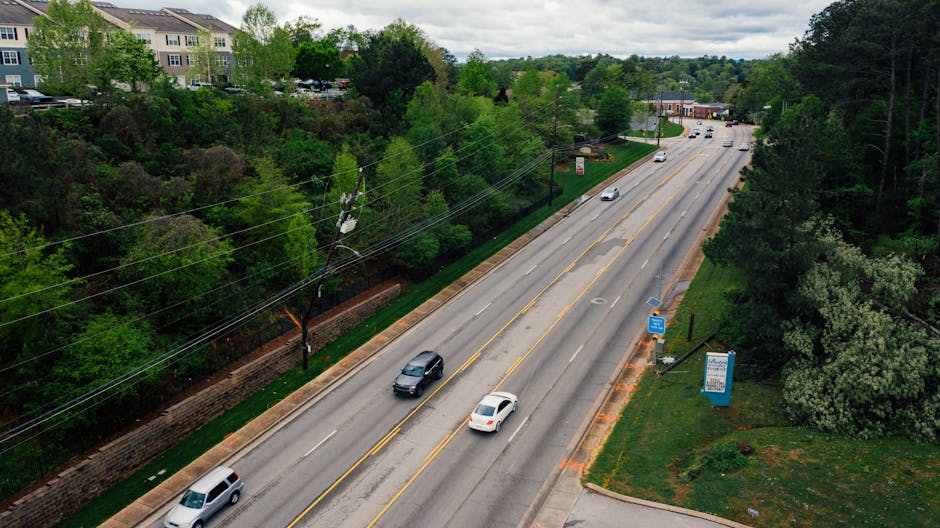
Lee High Road is not the kind of place where you can assume parking will just "work itself out". It is a lived-in London route with shops, traffic, buses, residents, and the usual stop-start rhythm that comes with a busy high street. That means moving day needs a bit more thought than a simple book-the-van-and-go approach.
The main reason this matters is time. If your van is parked two doors away, loading can be straightforward. If it has to circle the block, wait for a gap, or park farther down the road, the whole day stretches. In moving, every extra minute tends to create more cost, more fatigue, and more chance of something getting knocked or dropped. Not ideal when you are carrying a sofa or a box of plates that already sounds suspiciously fragile.
It also matters for access. Some homes on or near Lee High Road have tight stairwells, narrow entrances, or limited front space. A good timing choice can reduce conflict with traffic, improve access for your removals team, and help keep neighbours happy. That last part is easy to overlook, but if you have ever tried to wedge a van into a cramped street while somebody else is trying to get a shopping trolley past, you will know what I mean.
And there is a trust point here as well. Careful planning shows that the move has been thought through. If you are arranging a local move with a service such as removals in Lee or a smaller job through man with a van in Lee, a realistic plan makes the service more efficient from the start.
How Lee High Road Moves: Best Times to Move and Parking Tips Works
There is no single perfect moving hour, but there are patterns that usually help. The best time depends on road traffic, local parking availability, building access, and how much you are moving. A flat move with boxes and bags is one thing. A house move with beds, wardrobes, and white goods is another entirely.
As a general rule, early morning is often the calmest period. Before the school-run rush, before the midday shopping flow, and before the road gets its busier rhythm, you often get a cleaner loading window. That can matter a lot on a road like Lee High Road, where short windows of easy access can disappear quickly.
Mid-morning can also work if you need a little more time to prepare the property before the van arrives. For example, if cleaners are still finishing up, or you need a final check through the rooms, a slightly later slot may be better. But the trade-off is increased traffic. Nothing dramatic, just enough to make parking trickier and turnaround slower.
Afternoon moves are sometimes useful for smaller relocations or same-day jobs, especially if the job is local and there is flexibility. Still, afternoon is often less forgiving. Deliveries, school traffic, and general road activity can all build up. If you want to explore urgent options, it may be worth looking at same-day removals in Lee for jobs that cannot wait.
Parking works best when you treat it as part of the move itself, not as a side issue. Check in advance where the van can legally stop, whether there are time-restricted bays, whether your building has private access, and whether you need to leave room for neighbours or loading traffic. If in doubt, a quick conversation with the removals provider is often the easiest route. A team used to local streets will usually know where the awkward pinch points are before they arrive.
For bigger furniture, the route from van to front door matters almost as much as the route from old address to new. This is where planning around access, stairwells, and carrying distances becomes useful. If you are moving heavy items, the advice in kinetic lifting and safe handling is worth a look, because technique really does change the feel of the day.
Key Benefits and Practical Advantages
Good timing and parking planning might sound small, but the benefits stack up quickly.
- Faster loading and unloading: shorter carrying distances mean less time spent shuttling back and forth.
- Lower risk of damage: when the team can park close by, heavy or awkward items are easier to handle safely.
- Less stress: a move feels calmer when you are not watching the van traffic-jam itself into your schedule.
- Better neighbour relations: less blocking, less noise, and less impact on shared access areas.
- More predictable costs: efficiency reduces delays, and delays are usually where simple moves become expensive.
There is also a subtle benefit people miss: better decision-making. When the parking and timing plan is clear, you make better choices about what to load first, what stays on a trolley, and what should be wrapped before it leaves the property. That kind of clarity is worth its weight in tape and cardboard.
For example, if you have already sorted boxes using advice from packing techniques for a smooth move, the actual load-out is cleaner, quicker, and less chaotic. Packing and parking are connected more often than people think.
And if your move includes larger pieces, the practical advantage becomes even more obvious. A sofa taken out in one straight run is far simpler than a sofa rotated round parked cars and tight corners. The same goes for beds and mattresses, which are a lot less fun to carry than they look. There is a good reason people seek expert advice for moving beds and mattresses before the big day.
Who This Is For and When It Makes Sense
This approach makes sense for almost anyone moving along or near Lee High Road, but it is especially useful if your move has one or more of these features:
- You live in a flat with limited access or shared stairways.
- You are moving from a terrace or townhouse with little front loading space.
- You need the van to stop as close as possible to reduce carrying distance.
- You are moving with children, pets, or elderly relatives and want the day to stay orderly.
- You are handling bulky furniture, office items, or fragile specialist items.
- You are on a tight schedule and do not want wasted time looking for parking.
Students in particular often benefit from a focused plan. Bags, boxes, desks, kitchen bits, and a random chair from three flats ago all add up quickly. If that sounds familiar, have a look at student removals in Lee as a practical option for shorter-distance moves and smaller loads.
Likewise, if you are moving a flat or apartment with awkward access, a specific flat-moving approach tends to work better than a generic van hire plan. In those cases, flat removals in Lee can be a much neater fit.
Some moves need extra care because of the items involved. Piano moves, for instance, are not the sort of thing you "just lift and hope". If that is your situation, it is worth reading why DIY piano moving carries real risks before making a decision.
Step-by-Step Guidance
Here is a straightforward way to plan the move without overcomplicating it.
- Check the road and access first. Walk the route from the property to the nearest stopping point. Notice bays, dropped kerbs, yellow lines, and anything that could get in the way.
- Choose the best time window. Early morning is often easiest, but your building access and local traffic patterns matter too. If you have a narrow unloading window, work backwards from there.
- Decide what needs to go first. Large furniture, essential boxes, and fragile items should be planned in advance. Last-minute sorting usually slows everything down.
- Prepare the property. Clear hallways, protect floors if needed, and keep doors accessible. It sounds obvious, yet it is one of the biggest time-savers.
- Confirm parking arrangements. If the van can use a loading bay, private space, or a sensible short-stay spot, get that sorted before arrival where possible.
- Pack with the route in mind. Heavy items should be reachable without digging through lighter boxes. If the team has to hunt for every kettle and cushion, the day drags.
- Do a final sweep. Check cupboards, sockets, loft spaces, and behind doors. That tiny sense of "I knew I left something" can be maddening later.
A practical example: if your van is due around 8:00 a.m., aim to have bags sealed, drawers emptied, and the main path cleared before the team arrives. That way, the first ten minutes are productive rather than chaotic. It makes a real difference.
For the packing side, many people find it helpful to combine route planning with decluttering. Fewer items means fewer trips. If you want to streamline that stage, decluttering smartly before a move can help you decide what is genuinely worth taking.
Expert Tips for Better Results
These are the small, practical things that tend to separate a smooth local move from a mildly chaotic one.
- Book the earliest sensible slot. You do not always need dawn, but earlier often means less road pressure.
- Measure bulky items before moving day. It avoids the dreaded "it fits in theory" moment at the front door.
- Keep one box of essentials separate. Kettle, charger, toilet paper, basic tools, and a change of clothes. Future you will be grateful.
- Use clear labels. Not fancy labels, just readable ones. Kitchen, bedroom, fragile, priority. Simple works.
- Protect walking paths. A muddy shoe on a pale carpet is not a good start to anyone's day.
- Take a photo of parking space options. If you are unsure what is available, a quick photo helps when discussing the plan with the driver.
- Think about storage if timing does not line up. Sometimes the old place is ready before the new one, or vice versa. In that case, storage in Lee can bridge the gap neatly.
One thing we often see is people underestimating the value of a calm start. A move that begins with the van parked awkwardly and everyone trying to improvise usually stays messy. A move that begins with a clear plan, by contrast, tends to feel much more manageable. Not perfect. Just calmer. And calmer is good enough.
If you are moving furniture only, rather than a whole property, it can be worth using a service built around that type of job. Furniture removals in Lee are especially useful when you want experienced handling without arranging a full-scale household move.

Common Mistakes to Avoid
Moving around Lee High Road gets harder when people make assumptions. A few common ones crop up again and again.
- Assuming parking will be fine on the day. It might be. It also might not, and that gamble is rarely worth it.
- Booking too late in the day. Traffic builds, patience drops, and everyone starts watching the clock.
- Ignoring access height or width. If a sofa must be angled through a narrow entrance, you need to know that before the driver arrives.
- Leaving packing until the last minute. That usually means rushed boxes, mixed contents, and fragile items with no proper protection.
- Forgetting about building rules. Some blocks have specific loading instructions, lift booking requirements, or quiet-hour expectations.
- Failing to clear the landing and hallway. A corridor full of shoes, bins, and plant pots slows everyone down.
There is also a more human mistake: trying to do too much yourself because you feel you "should". To be fair, plenty of people try. But a move is not a character test. If the sofa is large, the route is tight, and parking is limited, getting help is not overdoing it. It is sensible.
If you are weighing up whether to handle everything alone or bring in help, this piece on independent lifting and safe self-move decisions gives a useful reality check.
Tools, Resources and Recommendations
You do not need a van full of specialist gear to make a local move work well, but a few tools really help.
- Sturdy boxes: use proper moving boxes where possible. Weak supermarket boxes can collapse at the worst moment.
- Packing tape and markers: basic, yes, but essential.
- Furniture blankets or padding: useful for doors, table edges, mirrors, and other items that dislike bumps.
- Reusable covers or wrap: especially handy for mattresses, sofas, and upholstered pieces.
- Trolley or sack truck: excellent for heavier boxes and reducing strain on longer carries.
- Door wedges and simple floor protection: these keep access routes open and reduce snagging.
For packing supplies, the dedicated packing and boxes service in Lee is a practical place to start if you want materials that are suitable for moving day rather than improvised from whatever is left in the cupboard.
Cleaning is another overlooked resource. If you are due to hand back a property, a tidy finish matters. A quick read of how to leave your old home clean before moving can help you avoid the usual final-hour scramble.
And if your schedule is tight, having a service overview open while you plan can save time. The services overview gives a clearer picture of the kinds of support available, from simple transport to more involved removals.
Law, Compliance, Standards, or Best Practice
For local moves on or near Lee High Road, the main compliance concerns are usually practical rather than dramatic. You are generally dealing with parking rules, loading restrictions, access arrangements, and general safety expectations. The exact rules can vary by location, time of day, and property type, so it is sensible to check the details for your specific street and building rather than rely on assumptions.
Best practice usually includes the following:
- Park only where it is lawful and safe to do so.
- Avoid blocking driveways, crossings, or emergency access.
- Respect any resident-only or timed restrictions.
- Follow building rules for lifts, communal areas, and loading bays.
- Use safe lifting methods and suitable equipment for heavy items.
On the safety side, a professional removals provider should be able to explain how items are handled, what insurance and safety arrangements apply, and what their process is if something unexpected happens. That transparency matters. It is one of the reasons people prefer established local providers rather than trying to improvise with a hired van and good intentions.
If you want a clearer sense of the company's wider standards and approach, the pages on health and safety policy and insurance and safety are useful reference points. For wider company information, about us also helps build a fuller picture of who is handling your move.
For larger or more complex jobs, you may also want to compare different service levels and read the terms carefully. That is especially sensible if you are looking at removal services in Lee rather than a simple one-item move.
Options, Methods, or Comparison Table
Different move types suit different timing and parking strategies. Here is a simple comparison to help you choose.
| Move type | Best time window | Parking approach | Typical challenge |
|---|---|---|---|
| Small flat move | Early morning or mid-morning | Closest lawful loading point | Narrow stairways, shared access |
| Family house move | Early morning | Pre-planned curbside or drive access | Volume of boxes and furniture |
| Student move | Flexible, often earlier is better | Short-stay parking or quick load zone | Mixed loose items and awkward bags |
| Furniture-only move | Any quieter window | Close loading for bulky items | Protecting item edges and upholstery |
| Office move | Outside peak business hours | Careful loading bay planning | Timing around staff and building access |
If you are choosing between a full removals team and a more flexible vehicle-based service, think about the load, the parking, and the carrying distance together. A man and van in Lee can be ideal for smaller, quicker jobs. For more demanding relocations, a fuller moving setup may be the better fit.
That same thinking applies to commercial moves. Offices often need tighter scheduling and more formal access planning, which is why office removals in Lee are usually handled differently from a standard household move. Different job, different rhythm.
Case Study or Real-World Example
Imagine a two-bedroom flat move just off Lee High Road. The residents have boxes ready, but there is limited front space and a busy stretch of road outside. They need the van to arrive early enough to avoid the heaviest traffic, but not so early that building access becomes awkward because the lift area is still in use by neighbours.
The move goes best when they book a morning slot, clear the hallway the night before, and separate furniture from general boxes. The largest items are taken first, while fragile items are kept in one clearly labelled group. The driver parks as close as the road legally allows, keeping the loading route short. No one spends time wandering around asking where the kettle is. That alone is a win.
There is a small but important detail here: one of the sofas is too bulky for a casual lift-and-carry. Instead of forcing it, the team measures the doorway, pads the edges, and uses a safer pivoting technique. It is not glamorous. It is just good practice. If you are moving upholstered pieces or planning storage, the advice in keeping a sofa safe in storage is very relevant, because the same care protects the item in transit too.
By the end of the day, the move feels controlled rather than frantic. Not perfect, because moving day rarely is, but organised enough that everyone can exhale. That counts for a lot.
Practical Checklist
Use this checklist in the final 48 hours before the move:
- Confirm the moving time and arrival window.
- Check parking options near both addresses.
- Make sure access routes are clear inside the property.
- Pack and label boxes by room.
- Prepare a separate essentials box.
- Measure bulky furniture and doorways if needed.
- Set aside wrapping or covers for fragile items.
- Keep important documents and keys in one secure place.
- Notify neighbours or building management if access may be affected.
- Do a final sweep of cupboards, lofts, and storage areas.
Expert summary: the best Lee High Road moves are usually the ones that respect the road, respect the parking, and respect the clock. Start early where possible, keep the carrying distance short, and do not leave access or packing decisions to the last minute. Simple, yes. But simple is often what works.
Conclusion
Planning a move on Lee High Road is mostly about making sensible choices before the van arrives. Pick a time that reduces traffic pressure, think through parking realistically, and prepare the property so the loading path is clean and obvious. Those three things can change the feel of the whole day.
If your move involves larger furniture, a flat, or a tight schedule, getting the right support is usually worth it. The point is not to make the day fancy. It is to make it easier, safer, and less tiring than it would otherwise be. And if you can finish the move with your shoes still mostly clean and your nerves reasonably intact, that is a good result.
Get a free quote today and see how much you can save.
Small preparation now tends to pay back later, usually in peace of mind, and sometimes that is the best saving of all.